
The Allure of Casino Games
Casino games possess a distinct allure that entices players from various backgrounds. This attraction can be understood through the lens of psychology, as individuals are drawn to the thrill of chance and the potential for rewarding outcomes. The excitement that comes from the uncertainty of winning or losing adds to the overall experience, making people more likely to engage in different types of games, such as online casinos in canada, from slot machines to poker.
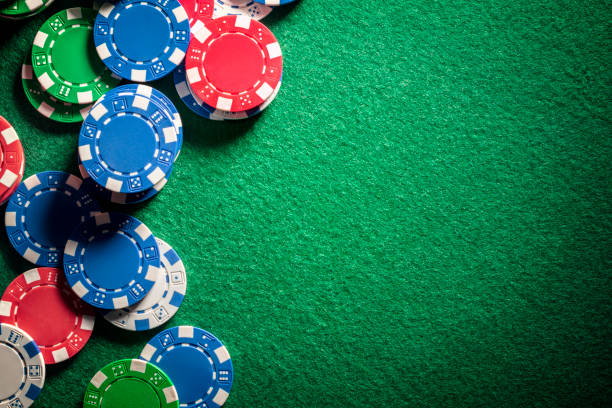
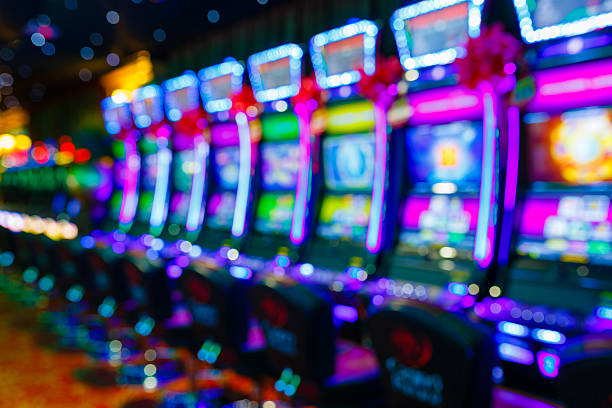
Moreover, the sensory environment in casinos—bright lights, sounds of winning machines, and vibrant colors—stimulates the brain’s pleasure centers. This sensory overload can heighten emotions, leading to a more immersive experience. As a result, people often find themselves opting for games that not only promise excitement but also create an engaging atmosphere that encourages continued play.
Decision-Making Processes in Game Selection
The choices players make in casinos are influenced by various cognitive biases and emotional factors. One key aspect is the phenomenon known as the « availability heuristic, » where individuals judge the probability of events based on immediate examples that come to mind. For instance, hearing stories of big winners can lead players to believe those outcomes are more likely than they actually are, prompting them to choose risky games.
Additionally, factors such as loss aversion play a significant role. Many players are more motivated to avoid losses than to achieve gains, which can lead them to select games that provide frequent, albeit smaller, wins. This behavior reinforces certain game selections, as players seek to recoup losses while enjoying the thrill of low-stakes betting.
Social Influences on Game Choices
The social aspect of gambling cannot be overlooked. Many people choose their games based on peer influence or social norms within their communities. Group dynamics can heavily impact decisions, as individuals may opt for games that are popular among their friends or social circles. This communal aspect can foster a sense of belonging while simultaneously shaping one’s game preferences.
Furthermore, casinos often leverage social proof by showcasing winners or hosting tournaments, encouraging others to join in and play. This creates a herd mentality, where potential players feel compelled to participate in popular games, believing that if others are winning, they will likely do so as well.
The Role of Marketing and Design
Casino marketing strategies and game design are intricately intertwined with player psychology. Promotional materials often highlight the excitement and success associated with particular games, using imagery and narratives that appeal to emotions. This not only attracts new players but also influences existing players to try different games.
Moreover, the design of games plays a critical role in player engagement. Features like jackpots, bonuses, and visually stimulating graphics are strategically implemented to capture attention and maintain interest. Game developers understand the psychological triggers that encourage longer playtimes and repeat visits, ensuring that players are continuously drawn back to their offerings.
Supporting Emotional Well-Being in Gaming Choices
While casinos provide entertainment, it’s essential to consider the implications of game choices on mental well-being. Understanding the psychology behind these choices can help individuals make informed decisions, promoting a healthier approach to gambling. Responsible gambling is increasingly emphasized, with resources available to assist players in recognizing their limits and making mindful choices.
By fostering an awareness of the psychological factors at play, individuals can navigate their gambling experiences more effectively, ensuring that the thrill of casino games remains a positive aspect of their leisure time. Ultimately, the balance between enjoyment and responsibility is crucial for fostering a sustainable gaming environment.